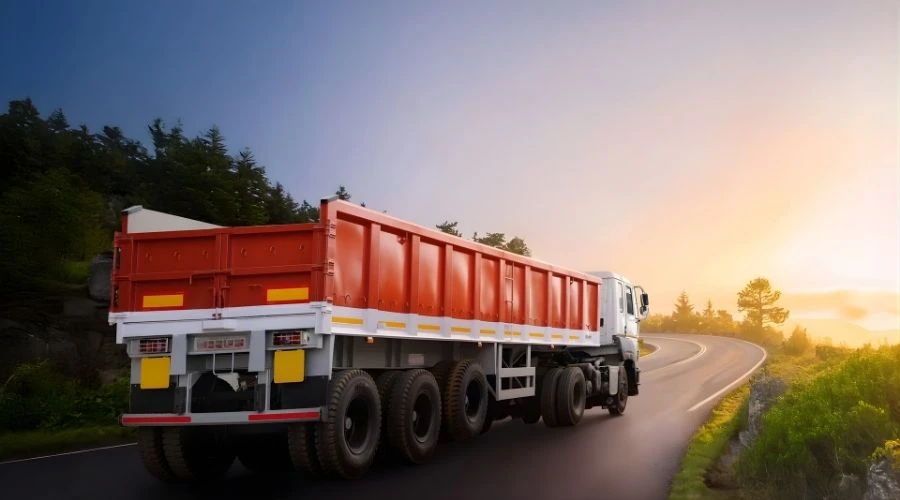
How to Choose the Right Trailer for Your Business Needs
Selecting the right trailer is a strategic business decision that directly impacts your bottom line. A mismatch between your trailer and your operational demands can result in increased fuel consumption, frequent breakdowns, legal penalties for overloading, and delayed deliveries. At Bharat Trailer Solution, we guide our clients through this critical selection process, ensuring that the investment they make today pays dividends in operational efficiency for years to come. Here is a comprehensive guide to choosing the right trailer.
Step 1: Define Your Operational Profile
Before looking at specifications, analyze your daily operations:
What are you hauling? (e.g., bulk sand vs. heavy excavators vs. packaged consumer goods)
Where are you hauling? (e.g., highways, city streets, remote mining sites, or hilly terrains)
What is the average distance per trip? (Short-haul distribution vs. long-haul interstate transport)
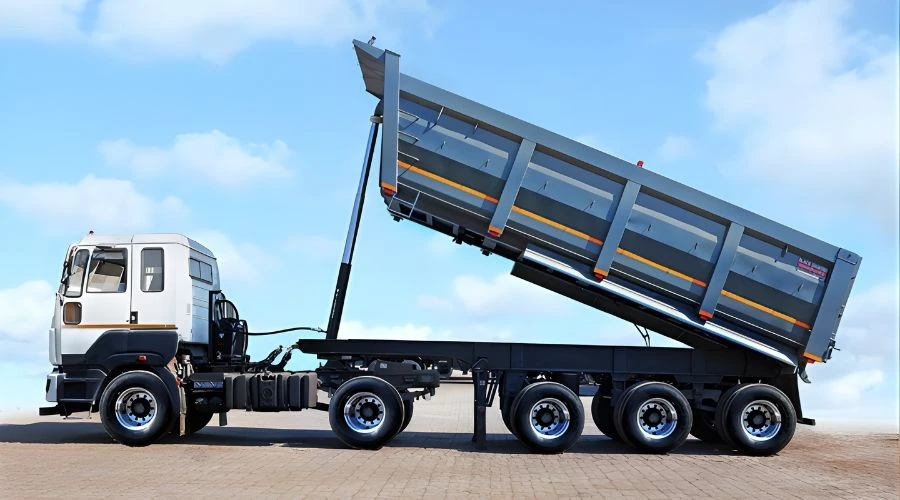
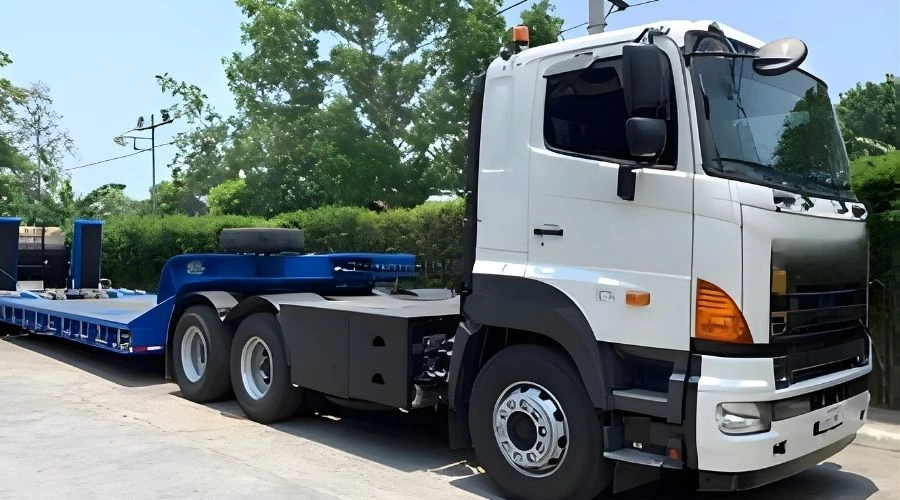
For loose bulk materials, a tipping trailer is non-negotiable. For heavy construction machinery, a hydraulic trailer or low bed is required to handle the weight and loading method. If you operate a fleet for a courier service, sidewall trailers offer the best protection for parcels.
Step 2: Calculate Load Capacity and Axle Configuration
Overloading is one of the leading causes of trailer failure and road accidents in India. You must consider:
Gross Vehicle Weight (GVW): The maximum permissible weight of the trailer plus the load.
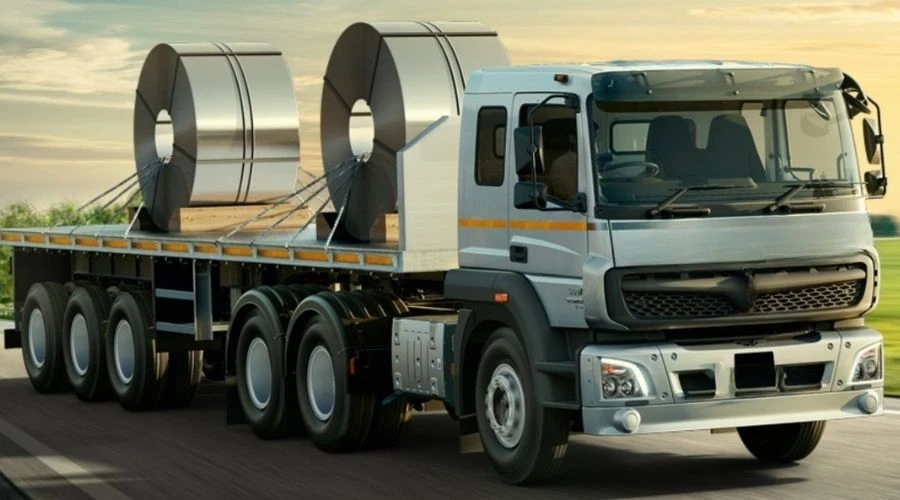
Axle Configuration: More axles distribute weight better but add to tire costs and turning radius. Single-axle trailers are suitable for lighter loads and maneuverability, while multi-axle configurations (tandem, tri-axle) are necessary for heavy-duty logistics to comply with legal weight limits.
At Bharat Trailer Solution, we design our trailers with optimized axle placements to ensure even weight distribution, preventing premature wear on tires and suspension components.
Step 3: Prioritize Durability and Build Quality
The Indian road network, while improving, still presents challenges such as potholes, uneven surfaces, and high dust levels. A trailer built with substandard materials will suffer from:
Cracking: In the chassis or body due to metal fatigue.
Corrosion: Especially in areas with high humidity or if transporting corrosive materials.
Suspension Failure: Leading to costly downtime.
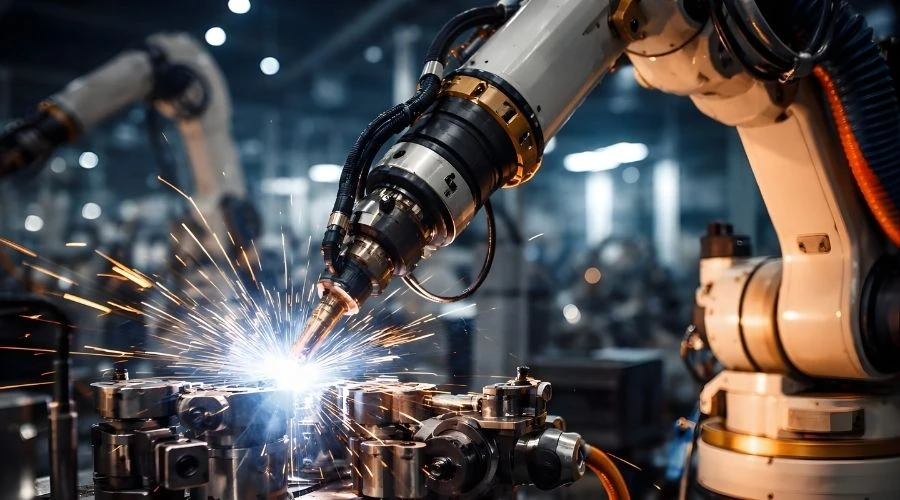
We use premium-grade materials and advanced engineering to ensure our trailers can handle these harsh conditions. Our manufacturing process focuses on high-quality welding techniques and rust-proofing treatments that extend the lifespan of the trailer.
Step 4: Evaluate Total Cost of Ownership (TCO)
The purchase price is just the beginning. A cheaper trailer often leads to higher costs later. Consider:
Maintenance Costs: How easy is it to source spare parts? Is the suspension system robust enough to avoid frequent repairs?
Fuel Efficiency: Aerodynamic designs and lightweight but strong materials can reduce fuel consumption over the long haul.
Resale Value: Trailers from reputable manufacturers like Bharat Trailer Solution retain their value better due to their reputation for reliability.
We offer affordable cost without compromising on quality, ensuring that your initial investment is balanced with low long-term operating expenses.
Step 5: Verify Manufacturer Support and Delivery
A trailer is only as good as the support behind it. When your trailer breaks down, every hour of downtime is lost revenue. Therefore, you must choose a manufacturer that offers:
Short Time Delivery: To ensure your business expansion or replacement needs are met without delay.
After-Sales Support: Access to spare parts and technical assistance.
Our 24/7 dedicated customer support ensures that whenever you face an issue—whether a technical query or an urgent spare part requirement—our team is available to assist you anytime. We believe in building partnerships, not just selling products.