Types of Trailers and Their Uses in the Transport Industry
In the intricate ecosystem of the transport and logistics industry, the trailer is more than just a container on wheels—it is a specialized tool designed for a specific mission. Choosing the wrong trailer can lead to inefficiencies, safety hazards, and increased wear and tear. At Bharat Trailer Solution, we pride ourselves on understanding the nuances of Indian logistics, offering a diverse range of trailers built with premium-grade materials and advanced engineering. Here is a detailed breakdown of the most common trailer types and their specific industrial applications.
1. Flatbed Trailers
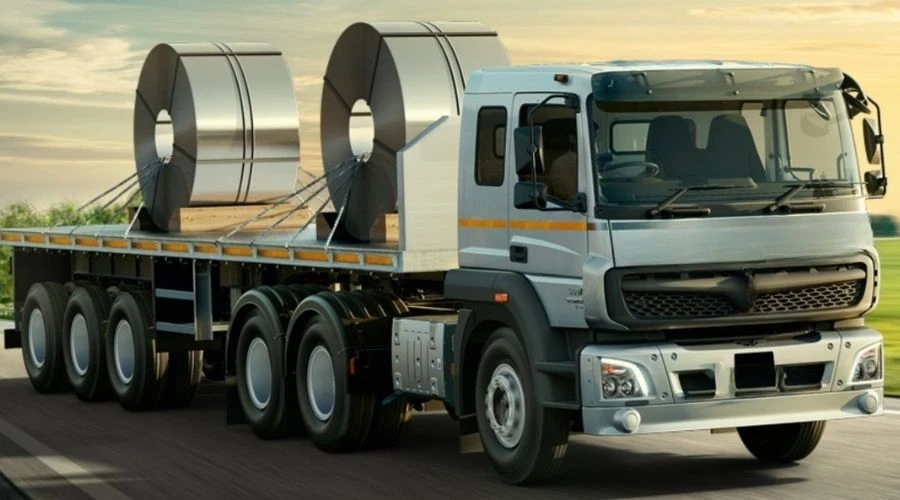
Best For: Construction materials, heavy machinery, steel pipes, and oversized industrial equipment.
Flatbed trailers are the workhorses of the transport industry. Their open design features no sides or roof, providing unlimited clearance for loading from above or the sides. This makes them indispensable for construction sites where cranes or forklifts are used for loading. Unlike enclosed trailers, flatbeds allow for the transport of oddly shaped or extremely tall items. At Bharat Trailer Solution, our flatbeds are engineered with high-yield strength steel to prevent bending under concentrated loads, ensuring that even the heaviest machinery arrives safely, even on India’s toughest road conditions.
2. Container Trailers (Chassis)
Best For: Intermodal transport, ports, rail terminals, and international shipping.
Container trailers, often referred to as chassis, are designed specifically to carry standardized shipping containers (20ft, 40ft, or 45ft). These trailers are crucial for logistics companies that operate between seaports, inland container depots (ICDs), and final delivery points. The design focuses on weight optimization to maximize payload capacity while maintaining structural rigidity. Our container trailers at Bharat Trailer Solution feature robust locking systems (twist locks) that secure the container to the chassis, preventing dangerous shifts during transit, and are built to withstand the corrosive environments often found in coastal port areas.
3. Hydraulic Trailers
Best For: Heavy earthmoving equipment, excavators, bulldozers, and agricultural harvesters.
Hydraulic trailers, also known as low-loaders or drop-deck trailers, utilize a hydraulic system to raise and lower the deck. This functionality allows the trailer to "kneel" to ground level, creating a ramp-like incline. This is critical for loading heavy, tracked machinery like excavators or bulldozers that cannot be lifted by cranes. The advantage of hydraulics over mechanical ramps is the smooth, controlled descent and ascent, reducing shock load on the vehicle. Our hydraulic systems are designed for reliability and safety, ensuring that your high-value equipment is loaded and unloaded without risk of damage.
4. Tipping Trailers (Dumpers)
Best For: Mining, quarrying, agriculture, and bulk material handling.
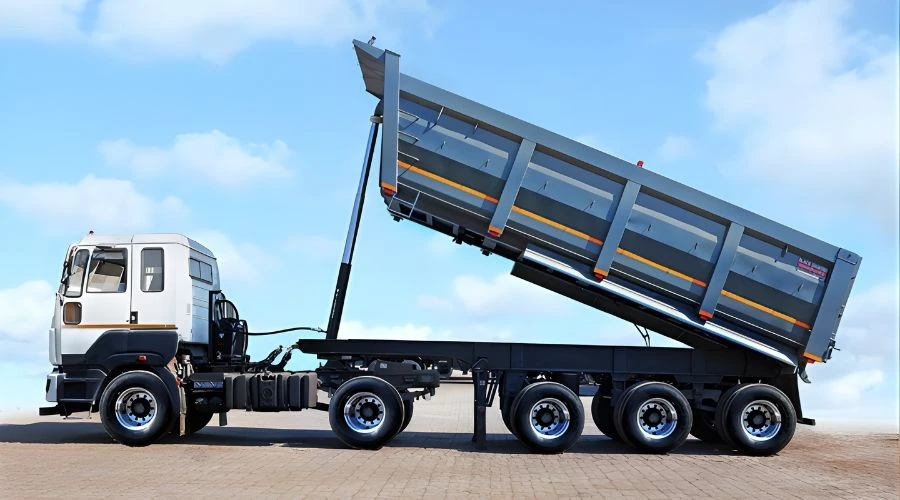
Tipping trailers are designed for loose bulk materials such as sand, gravel, coal, grain, or construction debris. They feature a hydraulic hoist that lifts the front of the body, allowing the contents to slide out the back. These trailers must be incredibly durable to withstand the abrasive nature of the materials they carry. At Bharat Trailer Solution, we manufacture tipping trailers with reinforced bodies and high-tensile steel floors to resist punctures and abrasion. We also pay close attention to the center of gravity; a properly designed tipper prevents the risk of tipping over when dumping heavy loads on uneven ground.
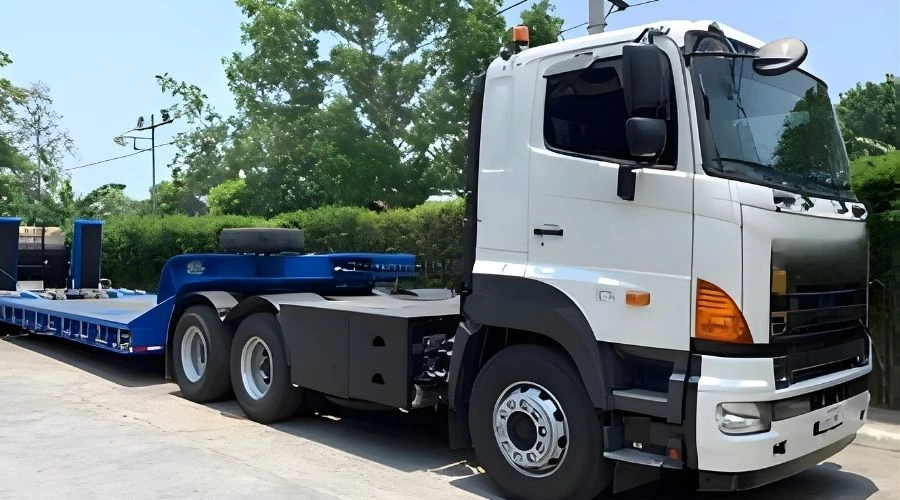
5. Low Bed Trailers
Best For: Over-dimensional cargo (ODC), tall machinery, wind turbine components, and heavy industrial equipment.
Low bed trailers are characterized by their exceptionally low deck height, typically achieved by having a "gooseneck" front that drops down to a lower deck. This design is essential for transporting cargo that exceeds standard height limits (usually over 12-14 feet). By lowering the center of gravity, these trailers offer superior stability compared to standard flatbeds. Given the rise in infrastructure projects across India, the demand for low bed trailers is surging. Our low bed models are engineered with heavy-duty axles and robust suspension systems to handle the dynamic stresses of transporting windmill blades or power transformers across long distances.
6. Sidewall / Containerized Flatbeds
Best For: Fast-moving consumer goods (FMCG), parcel services, and secured logistics.
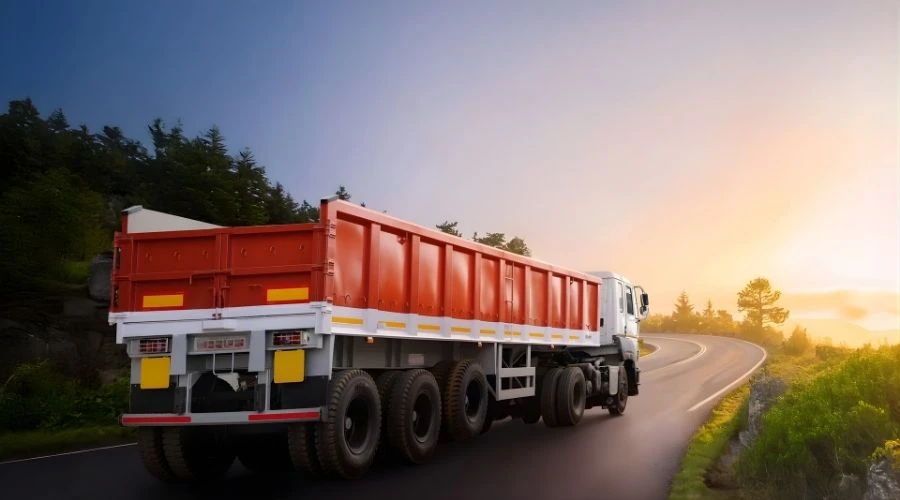
These trailers combine the versatility of a flatbed with removable side walls and a tarpaulin (tarp) roof. They offer the security of an enclosed trailer with the flexibility of a flatbed. When the side walls are removed, they function as a standard flatbed for oversized items. When covered, they protect packaged goods from weather and theft. This dual functionality makes them a popular choice for businesses that handle mixed cargo types.
Why Choose Bharat Trailer Solution for Your Trailer Needs?
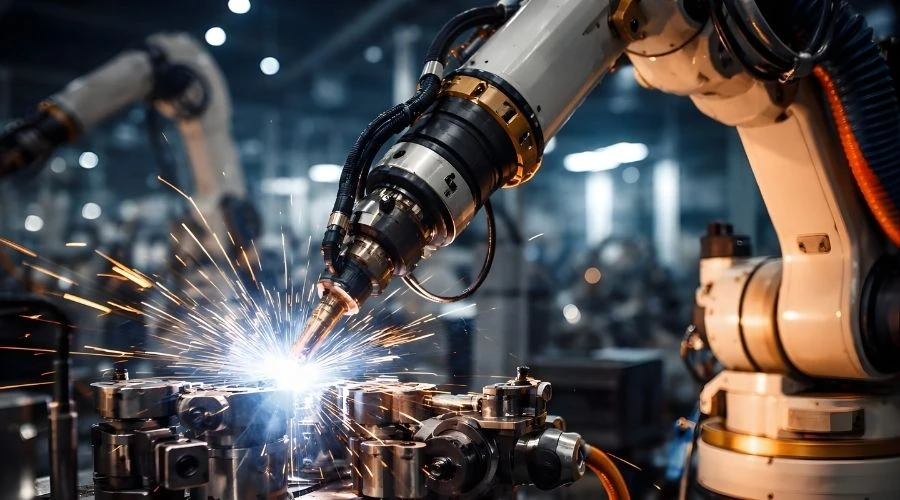
Regardless of the type, every trailer we manufacture undergoes a strict quality control process. We don't just sell a product; we provide a solution tailored to the specific demands of the Indian terrain. From the initial design phase to the final welding inspection, our focus remains on delivering strength, durability, and reliable performance.